
School of Health Undergraduates Gain Front-Row Seat to Patient Care in New Pilot Physician Shadowing Program
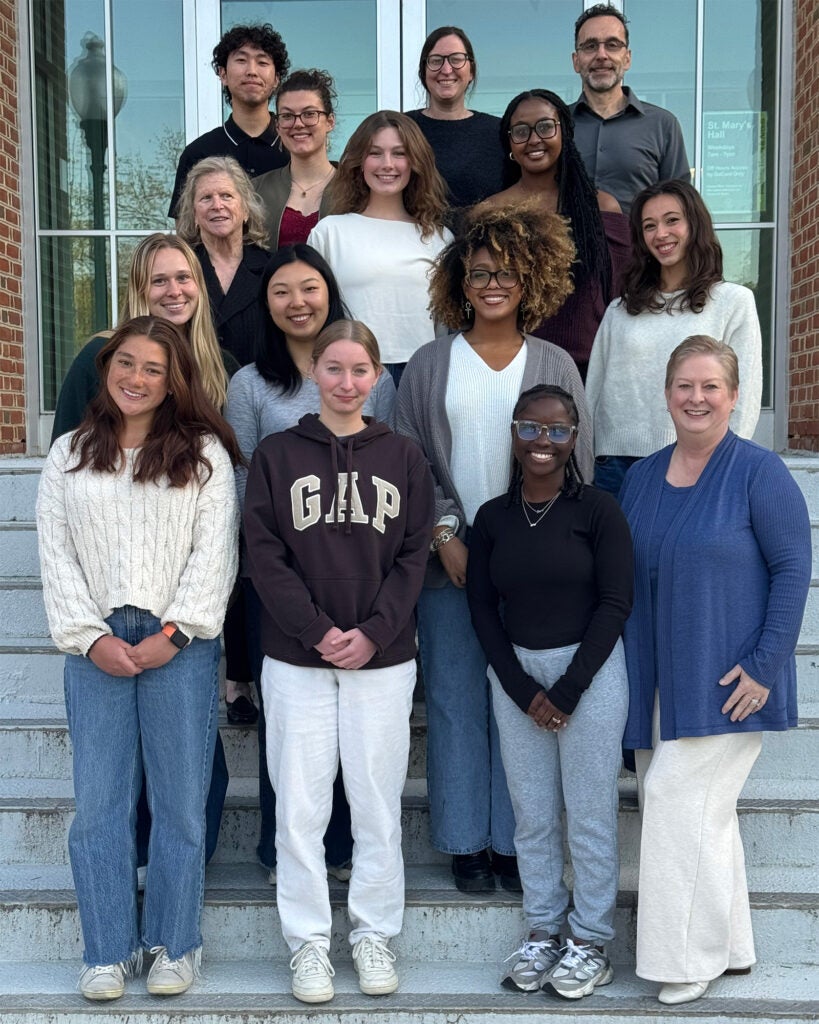
Shadowing program participants stand with faculty including Jamie Padmore, vice president, academic affairs, MedStar Health and senior associate dean, medical education, GUMC (bottom row far R); Pablo Irusta, PhD, Human Science chair and associate professor (top row far R); and Joan Riley, MS, MSN, FNP-BC, FAAN, associate professor, Engelhard Senior Scholar, Human Science, (third row far L).
(April 15, 2026) — A group of School of Health sophomores majoring in Human Science are stepping out of the lecture hall and into the real world of medicine at MedStar Health. A new eight-week pilot program is offering 11 students a rare, sustained look at clinical life by pairing them with residents and fellows in specialties ranging from pulmonary critical care to pain management. For these students, the experience is transforming medicine from a textbook subject into a tangible, human reality.
Students are grateful for the opportunity to witness care in practice. “Any shadowing experience is a precious one,” said Elizabeth Kim (H’28). “I feel incredibly privileged, especially as an undergraduate, for this experience.”
Embracing the ‘Tangible’
For many in the program, the transition from theoretical to tangible has been the most striking shift, but students such as Kim felt her Human Science curriculum provided the necessary foundation to allow her to keep pace with high-level medical discussions.
“I was able to follow quick case discussions before rounds in the conference room, and lectures my mentor delivered to students at the medical school because of my previous coursework in pathophysiology and human biology,” said Kim, who is shadowing a second-year fellow in pulmonary critical care at MedStar Georgetown University Hospital.
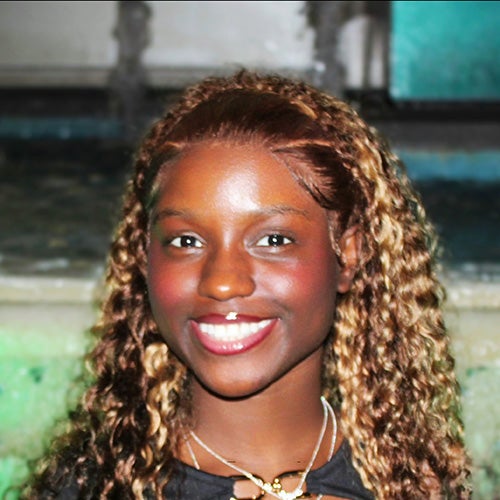
Rose Francois (H’28)
Rose Francois (H’28), who is shadowing a resident in physical medicine and rehabilitation (PM&R) at MedStar National Rehabilitation Hospital, agreed that the clinical setting adds a dimension that the classroom simply cannot replicate.
“All of it is theoretical in class, but with the shadowing program, it’s turned into something tangible where you see the real thing,” said Francois. “When you shadow, you connect with the patient, you connect with the thought process of providers and the tough decisions. It’s also a really motivating experience to think one day, this really could be me.”
A Deep Dive Into Specialized Care
A unique benefit of the program is the sustained interaction with the same medical team, which allows students to witness the behind-the-scenes labor of delivering care.
Samuel Yin (H’28), who has also been shadowing a PM&R resident, said the experience has completely redefined his understanding of the practice of medicine by seeing the workflow of providers interacting with patients who are seeking care for a physical disability, often from a stroke or fall.
“It’s opened my eyes to perspectives in rehab medicine and practicing medicine in general,” Yin said. “It’s not just 100% treating patients, it’s really 80% of your time going towards computer work like charting and debriefing with the team.”
For Cassidy Predieri (H’28), who is shadowing a resident in pulmonary disease and critical care medicine at MedStar Georgetown, the experience has been an emotional and professional whirlwind, alternating between the fast-paced intensive care unit (ICU) and outpatient clinics.
“In the ICU, you go on rounds, check on patients, or might see a code red. It’s emotionally draining work and very impactful,” Predieri said. “Being a sophomore and getting these opportunities requires that you come in with a certain posture and willingness to learn.
“It’s so unique to have been given this,” Predieri added. “I am just so grateful.”
The Value of Mentorship
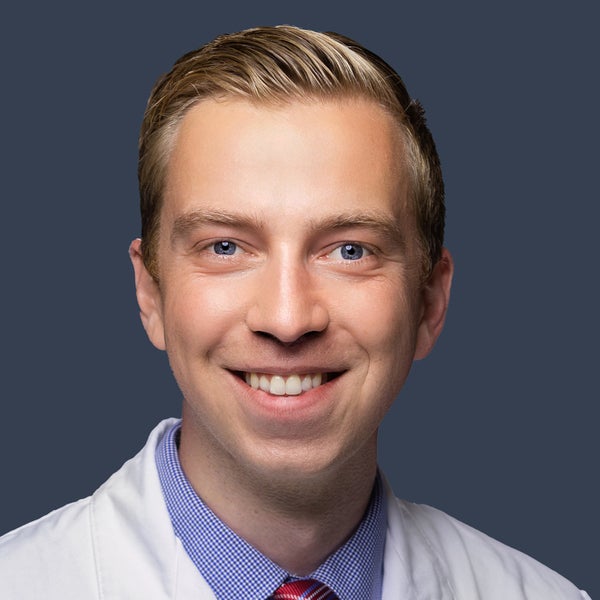
Kevin McGowan, MD (C’17, M’22)
Central to the program is the relationship between the undergraduates and the residents and fellows. Predieri noted that her mentor, Kevin McGowan, MD (C’17, M’22), has become an invaluable guide for navigating the world of pre-med requirements and thinking through medical school applications.
“As a Georgetown undergraduate alumnus, I am excited to be part of a program that benefits premedical students. I wish I had this kind of exposure so early in my education,” said McGowan. “We have been able to have meaningful conversations about before, during and after medical school that I hope can help her in her academic journey.”
Beyond career advice, the students are seeing cura personalis, or care for the whole person, in action.
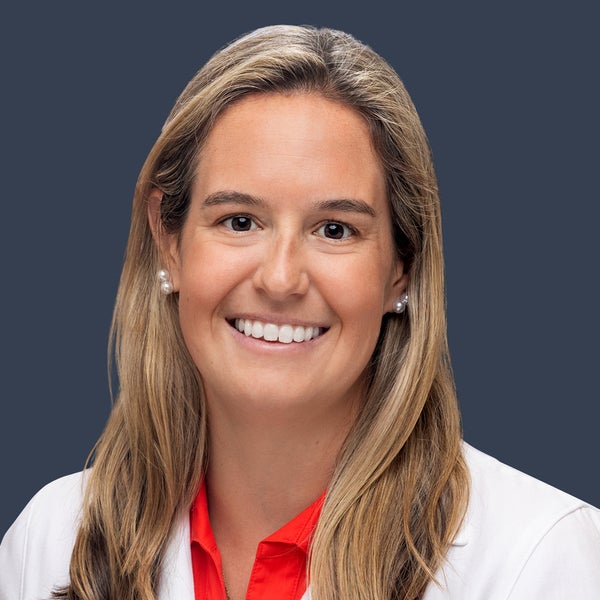
Caitlin Merley, MD (M’21)
“The residents and fellows we are shadowing are super empathetic and caring in their practice,” Predieri said. “Seeing a fellow talking to families and really caring about people, getting these opportunities to see physicians actualize empathy in a care setting is special.”
Kim was similarly moved by interactions between her fellow, Caitlin Merley, MD (M’21), and her patients. “I’ve seen patients travel two hours to see a doctor, or take months off of work to focus on medical care. It hit home for me,” said Kim. “It’s been such an experience in empathy, being there for that patient at the worst point of their lives and to witness a diverse primary care team join together and figure out how to best care for them.”
A Formative Future
As the pilot program continues, the participants hope it becomes a staple of the School of Health experience. For many, like Predieri, it has served as a confirmation of their career goals.
“It’s the most impactful program I’ve participated in since coming to Georgetown,” Predieri said. “It helped affirm my decision to go into medicine.”
Yin encouraged his peers to jump at the chance to participate in the program in the future. “As an undergrad, you are a sponge soaking up information,” said Yin. “The shadowing program is very useful for growth to observe and soak it in, so apply. You have everything to gain from it.”
Heather Wilpone-Welborn
GUMC Communications